
Strategy to Execution
How teams preserve the logic behind an initiative as it moves from decision-making into delivery.
BuildFlowIQ Blog
Long-form thinking for teams responsible for turning important initiatives into real delivery.
What we write about
How teams preserve the logic behind an initiative as it moves from decision-making into delivery.
Discovery, evidence, assumptions, scenarios and recommendations before execution commitments harden.
How plan vs actual, changes, discoveries and execution health should influence the next decision.
Planning, sequencing, dependencies, milestones, delivery structure and the realities of managing complex work.
Reviewability, traceability and the separation between AI-assisted planning and authoritative system state.
Product thinking, capability explanations and intentionally published updates about the BuildFlowIQ platform.
New to BuildFlowIQ?
See how Initiative Intelligence, Planning Intelligence, Execution Management and Execution Intelligence form one connected lifecycle.
Start with the questions and review points that matter when moving from an ambiguous initiative into delivery.
Browse product, transformation, operations, GTM and client-delivery examples to see how the same lifecycle changes by context.
Use Product Updates for intentionally published changes and the Product pages for the current capability set.
Latest thinking
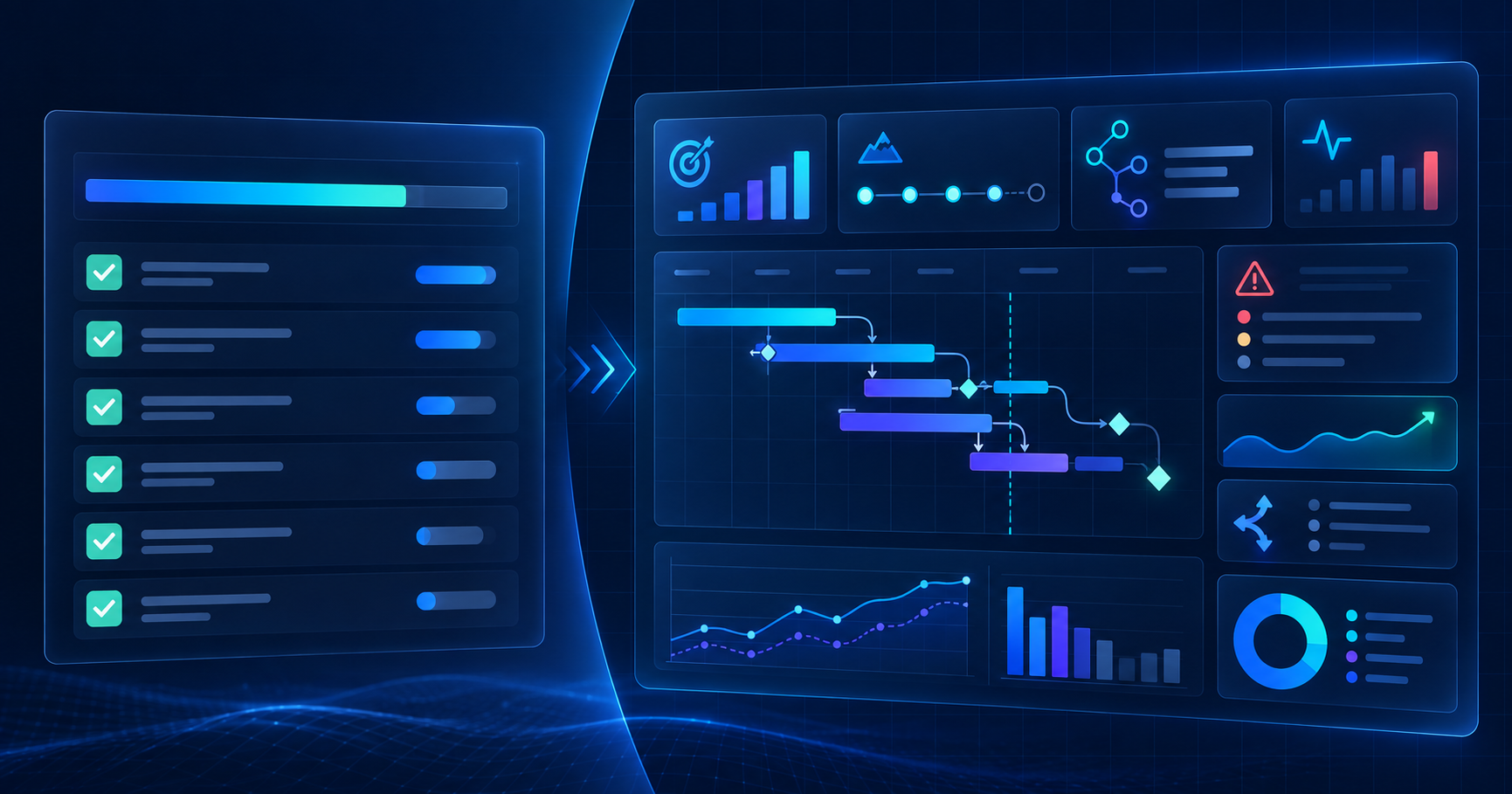
Teams can close every task and still miss the business outcome. Better initiative metrics connect delivery progress with dependencies, assumptions, changes, health and outcomes.

The risk in AI-assisted planning is not only hallucination. It is losing track of what was approved, which version is authoritative and how generated decisions influence execution.
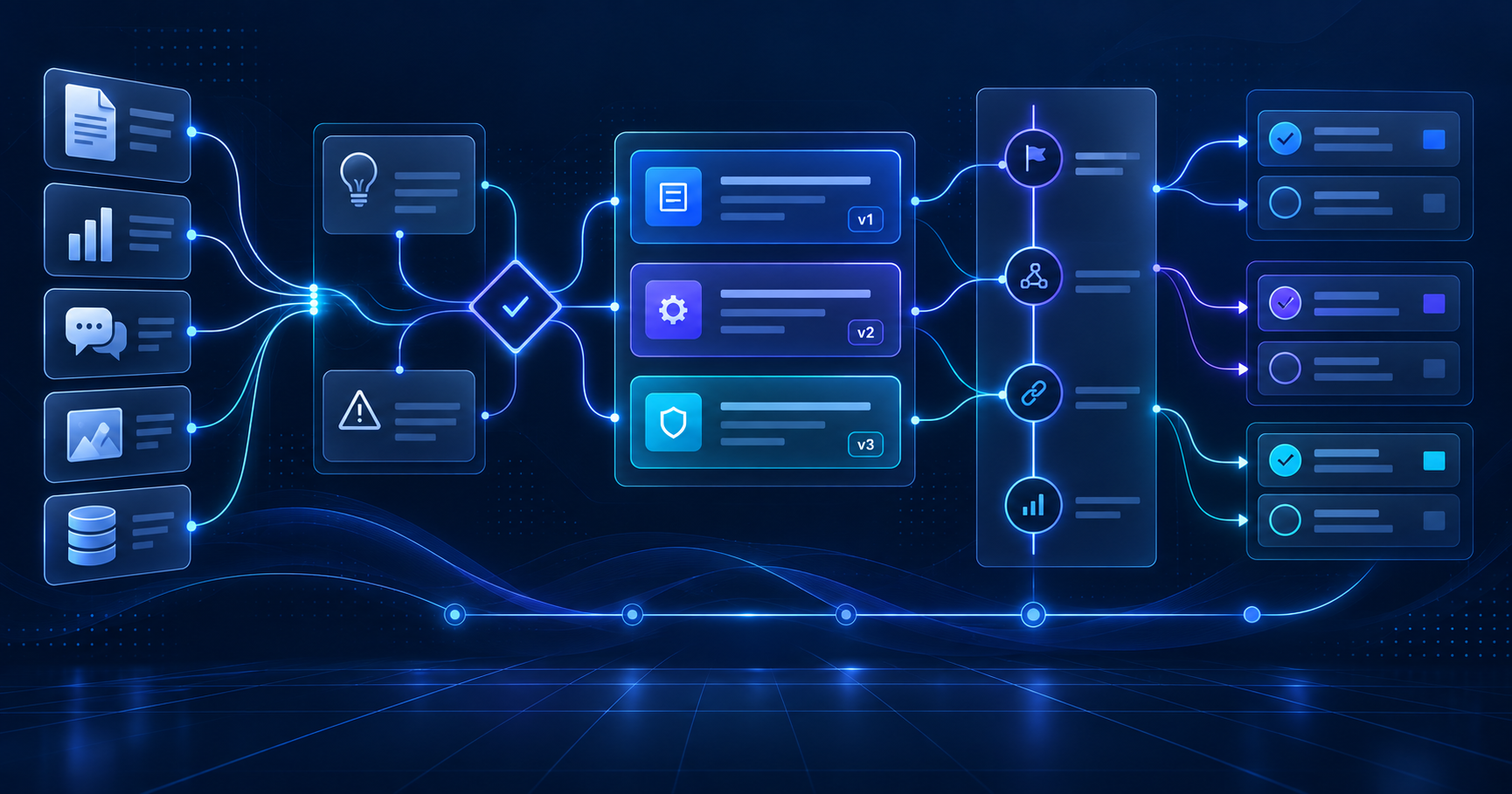
A requirement is easier to manage when teams can explain why it exists. In AI-assisted planning, traceability must connect evidence, decisions, versions and live execution.
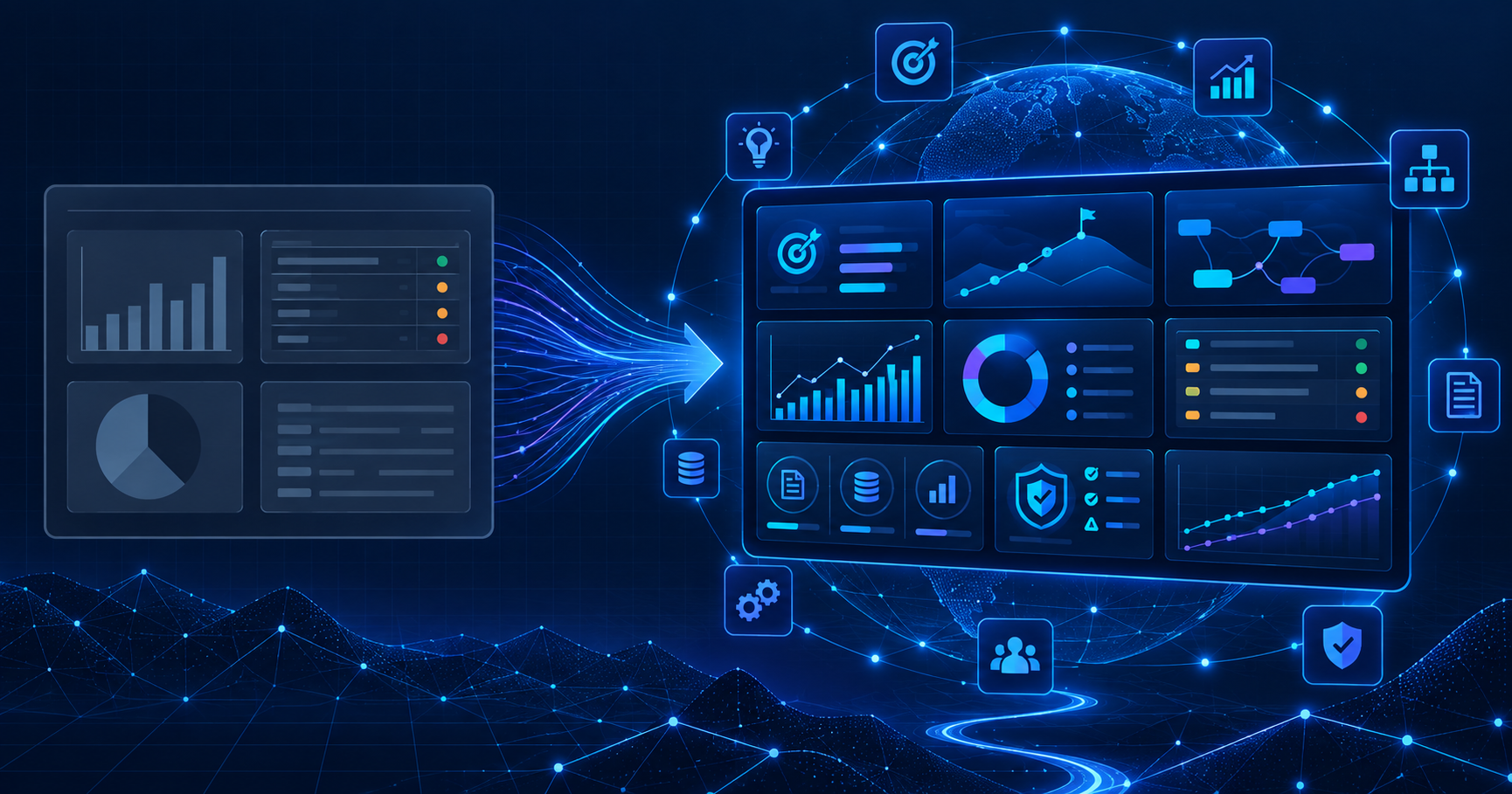
The PMO has an opportunity to shift from collecting project status to preserving the intelligence behind strategic initiatives and helping leaders act on execution evidence.
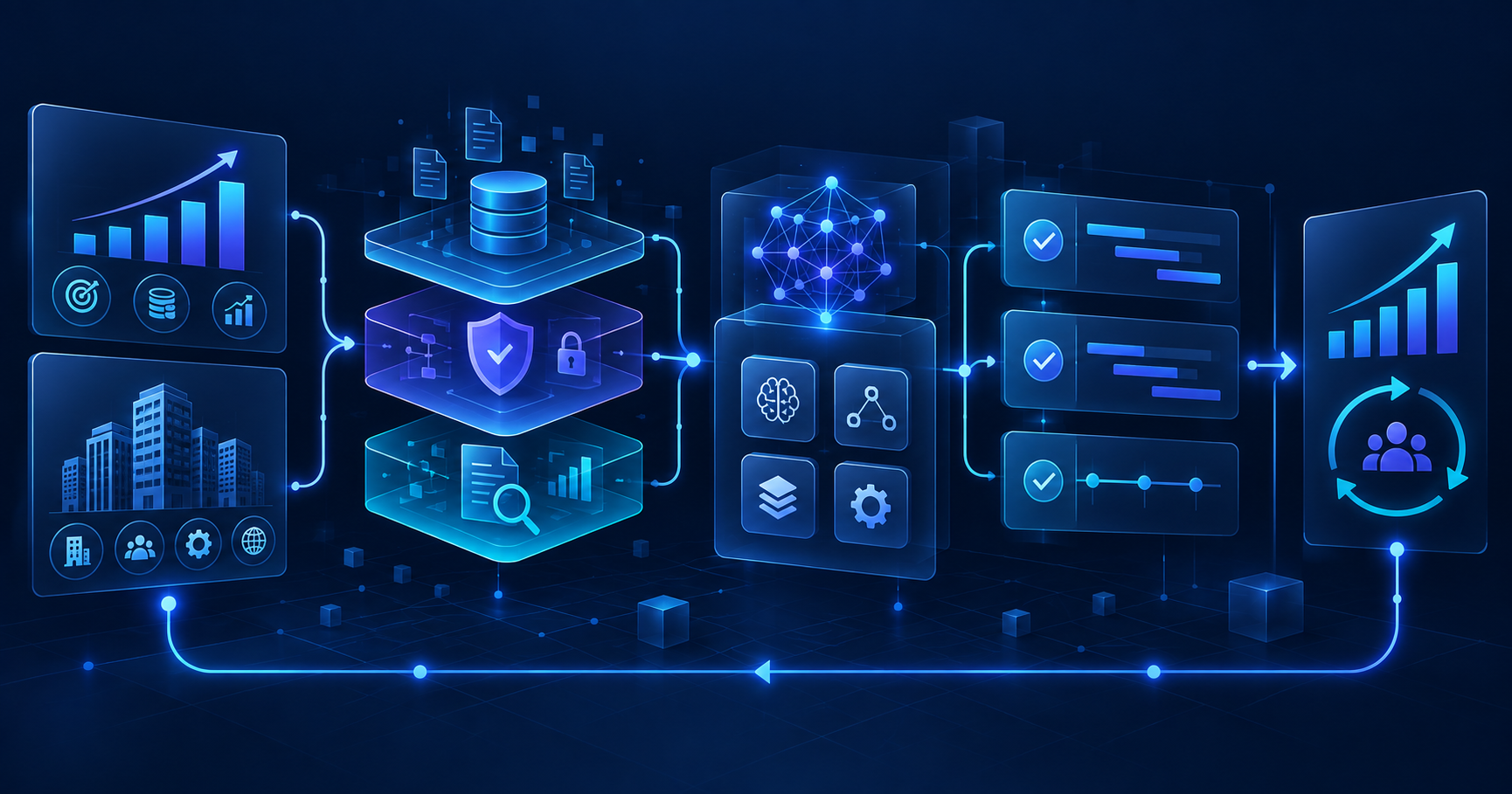
Enterprise AI initiatives often start with a tool or agent idea. Stronger programs start with the business outcome, operating context, evidence, constraints and adoption model.
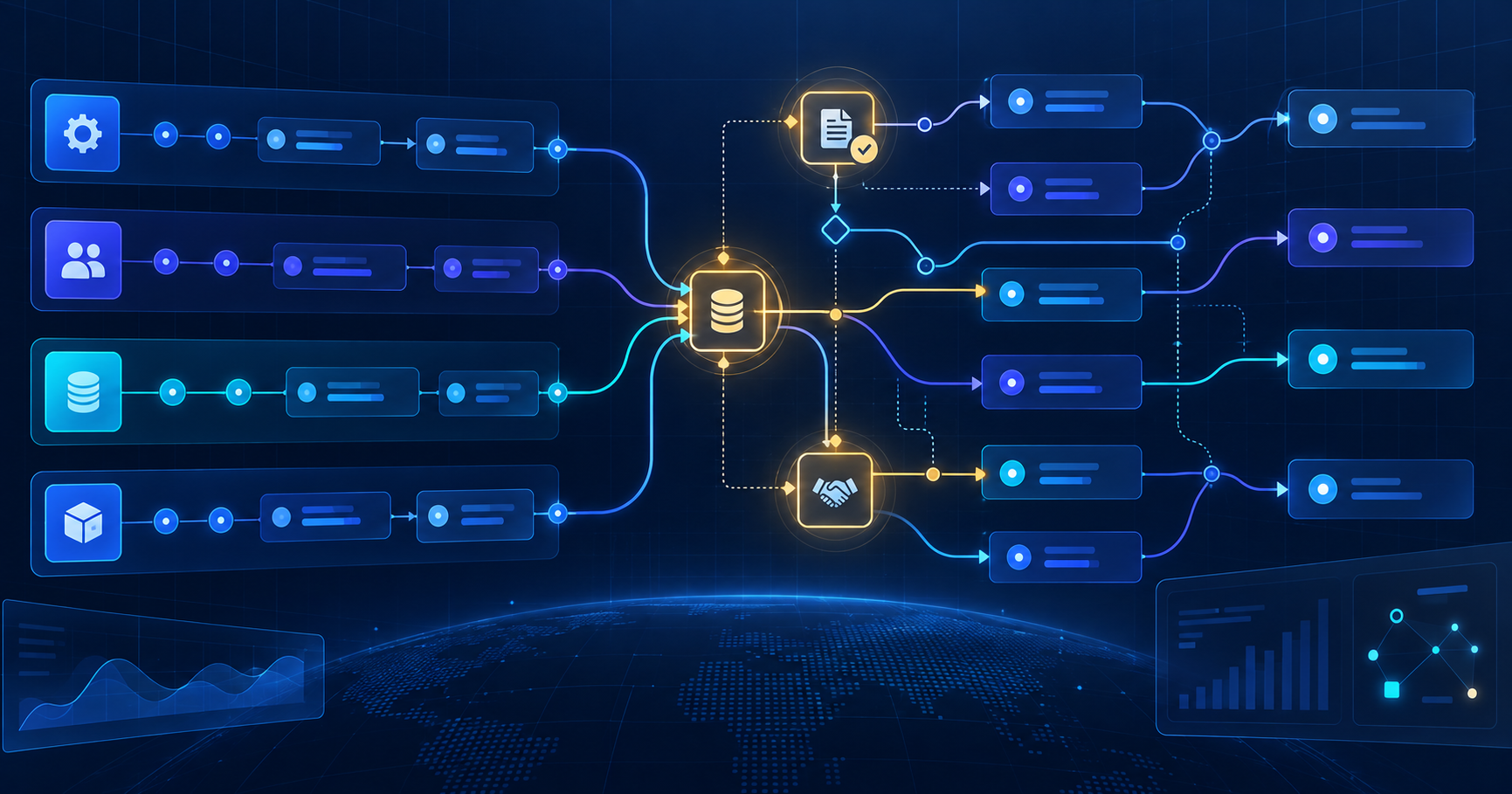
Dependencies are not just arrows on a Gantt chart. In complex initiatives, they connect systems, decisions, vendors, data, approvals and milestones — and often explain why plans fail.
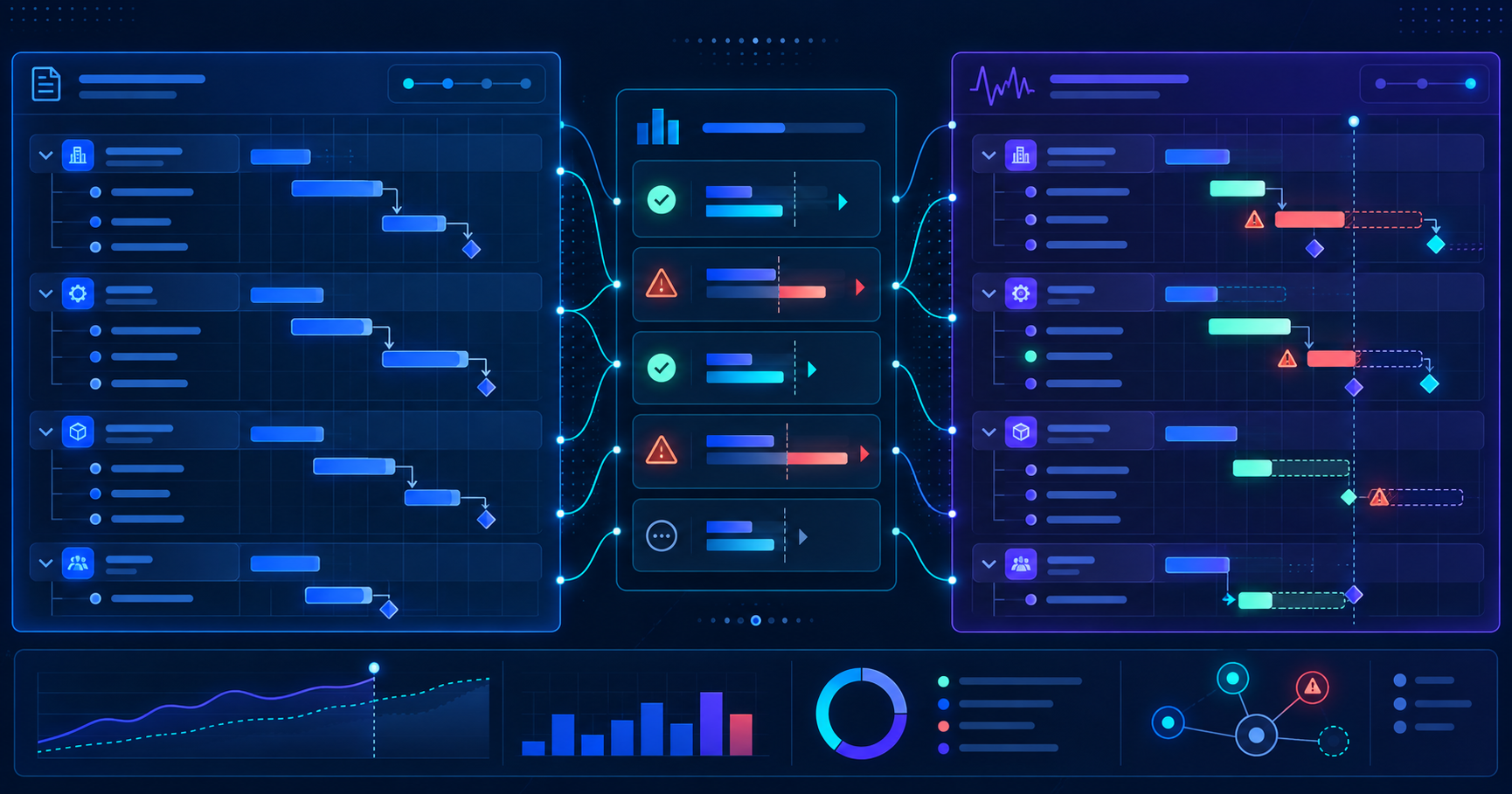
Traditional status reporting tells you what moved. Plan-vs-actual analysis should tell you whether execution is still faithful to the approved initiative and when a review is needed.
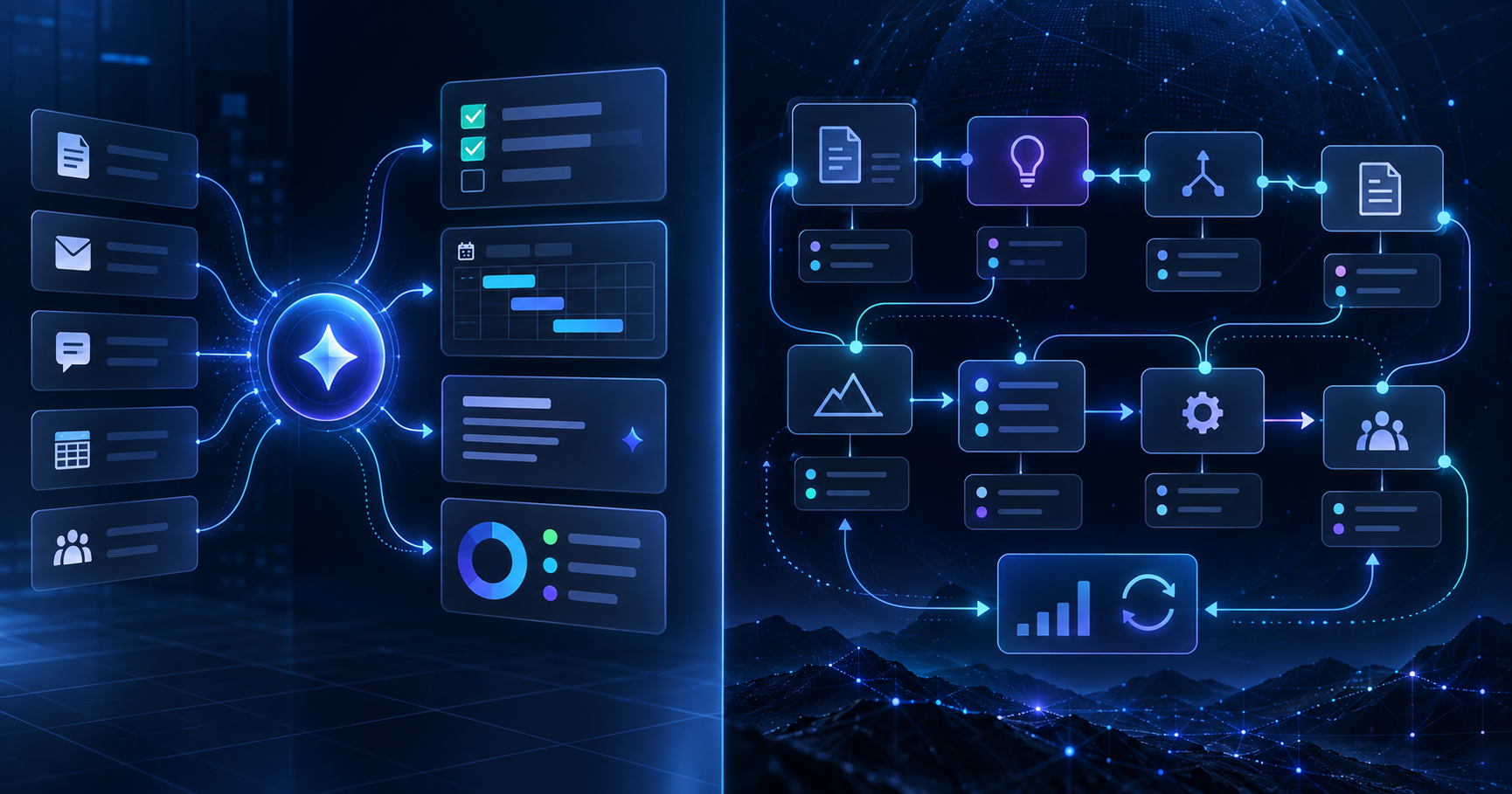
AI can generate tasks, plans and status summaries in seconds. The harder problem is preserving the reasoning behind the work and knowing when execution should change the plan.

Strategic initiative management connects the reasoning behind an initiative to the plan, the work and the decisions that follow. Here is the operating model teams need before project management begins.
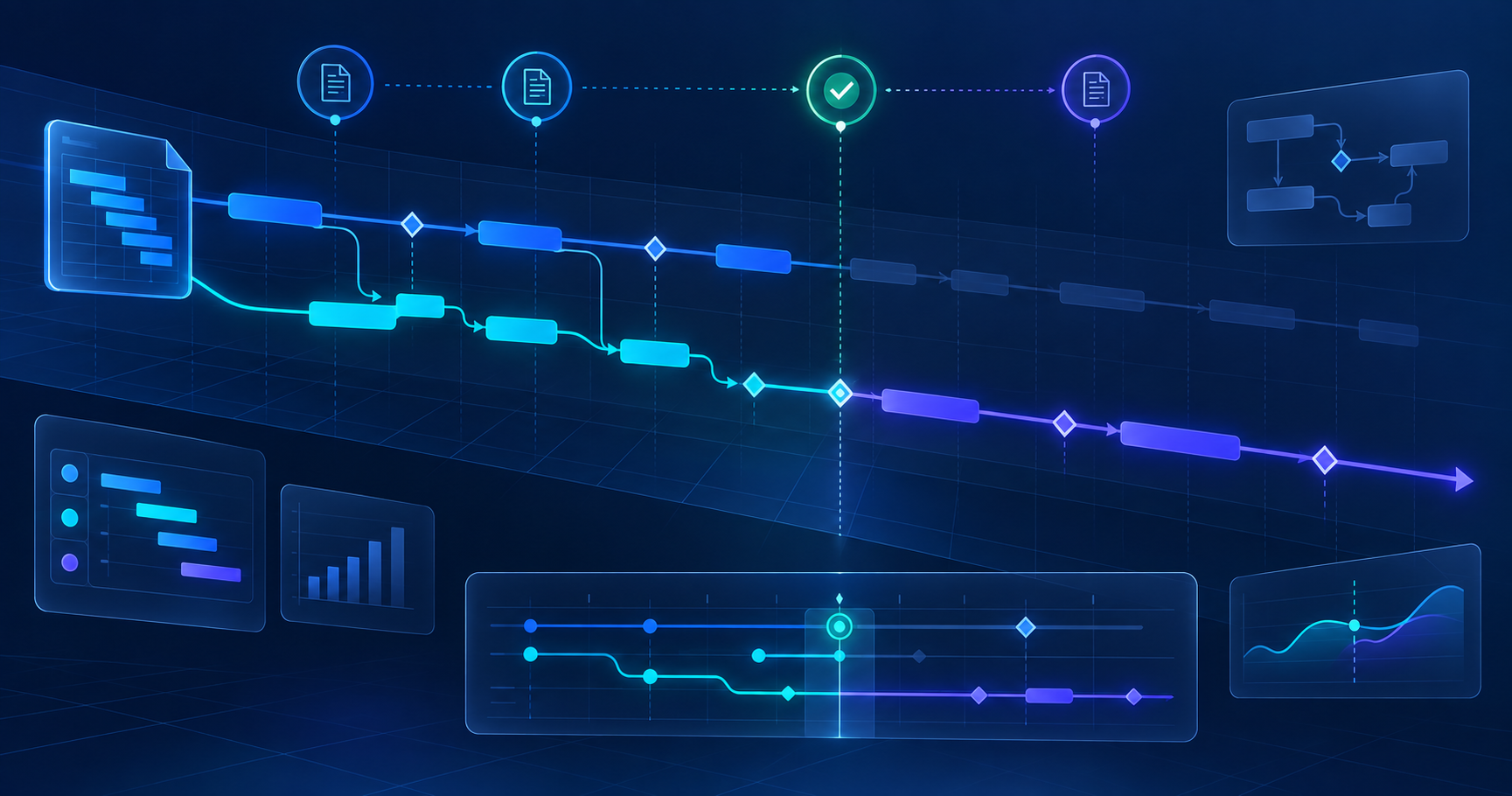
Rebaselining should not erase the evidence that the original plan changed. A strong process preserves the old baseline, explains the reason and adopts only reviewed changes.